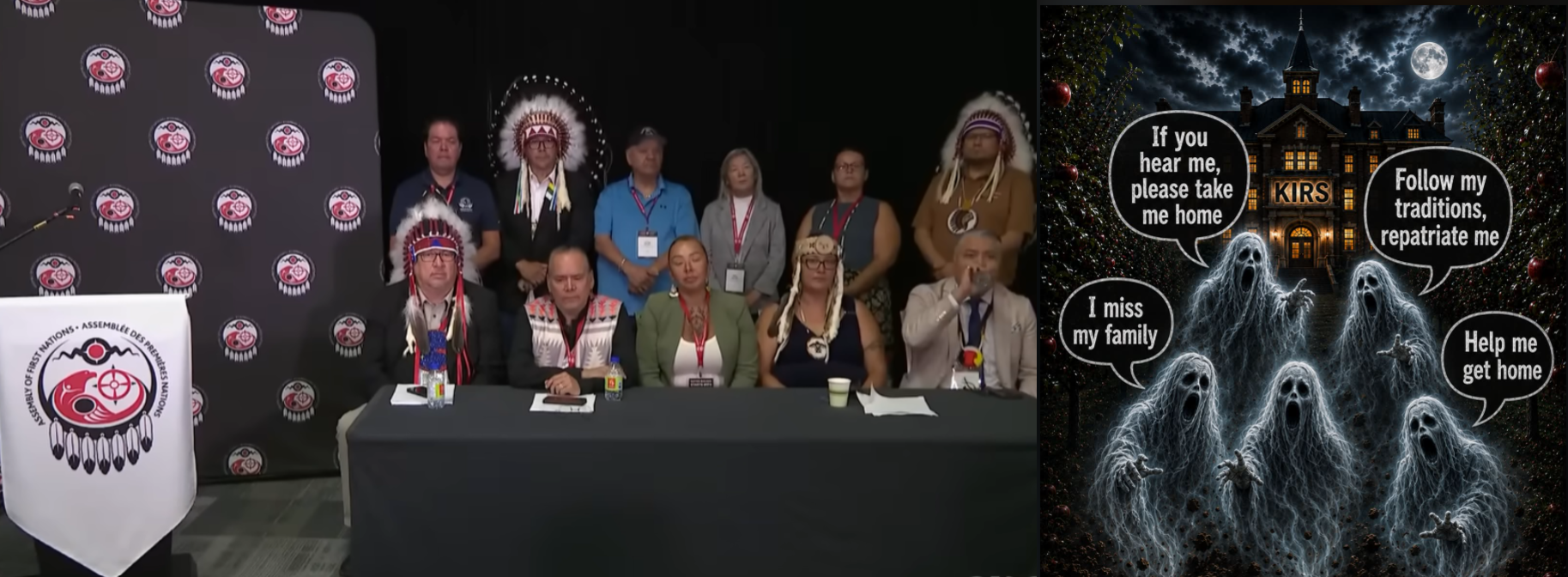
On July 15, 2026, the Assembly of First Nations held a Press Conference talking about an Emergency Resolution that they had passed to criminalize “residential school denialism”.
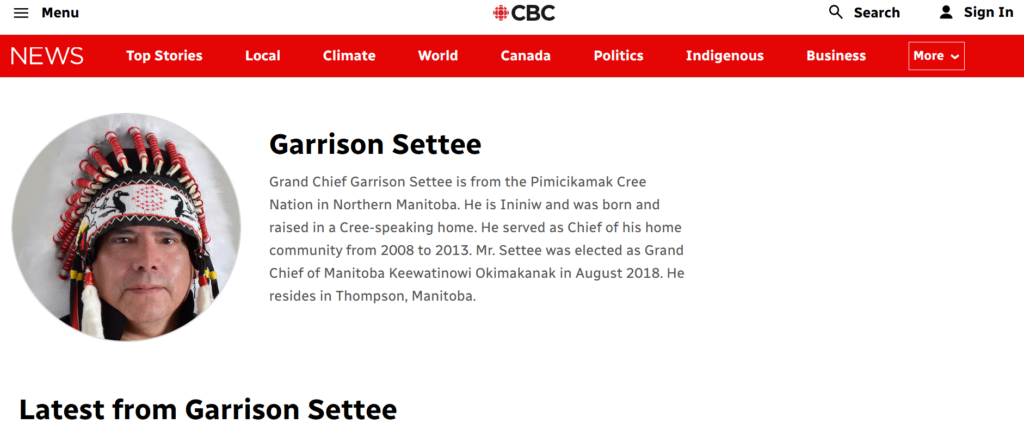
The resolution was brought forward by Chief David Monias and Grand Chief Garrison Settee.
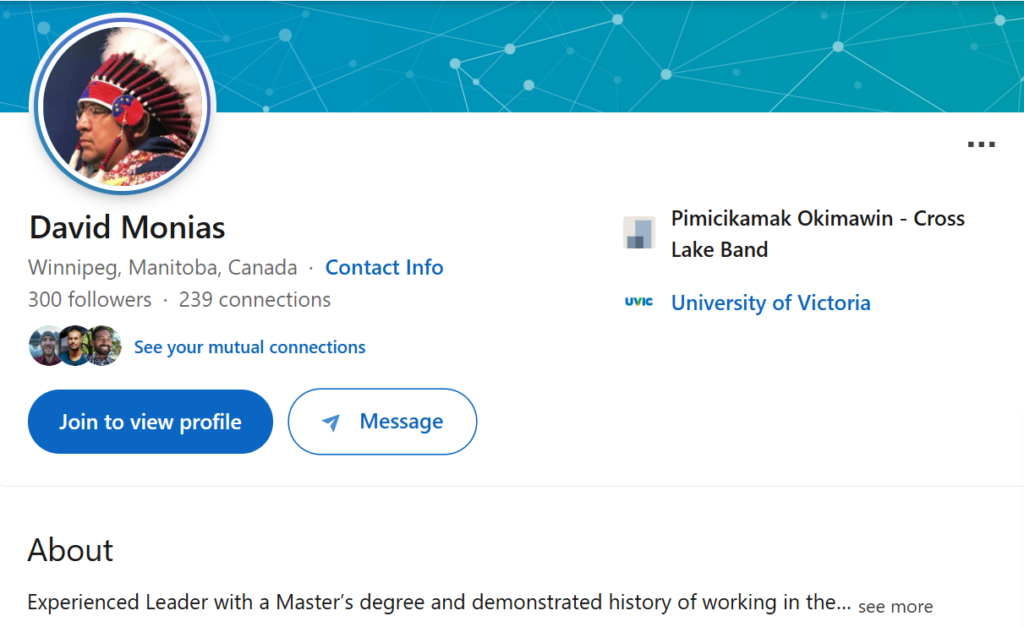
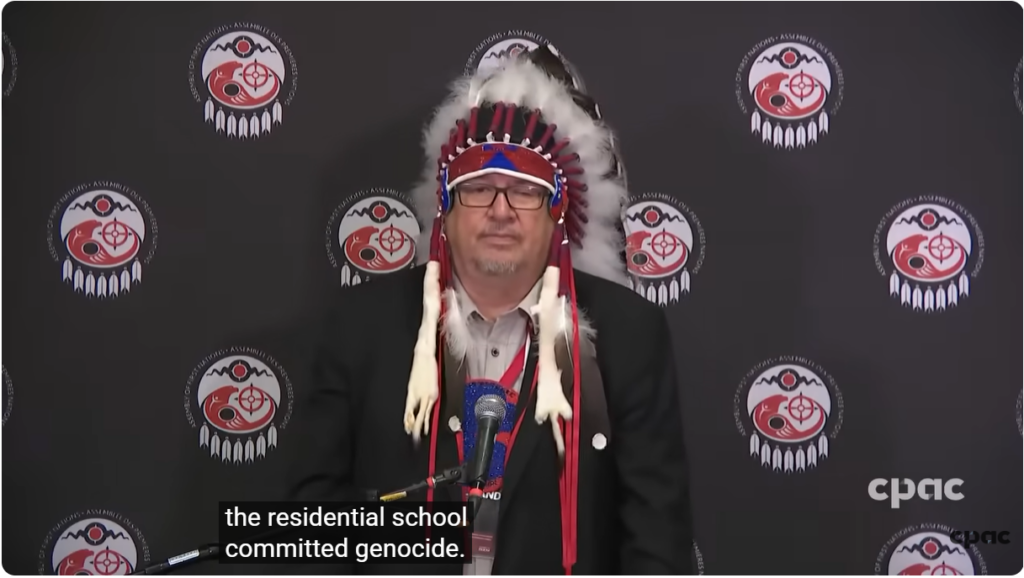
In the Press Conference, Monias’ comments are found from 1:23-9:05 of the YouTube video. Monias asserted that the residential school[s] “committed genocide” (3:14)
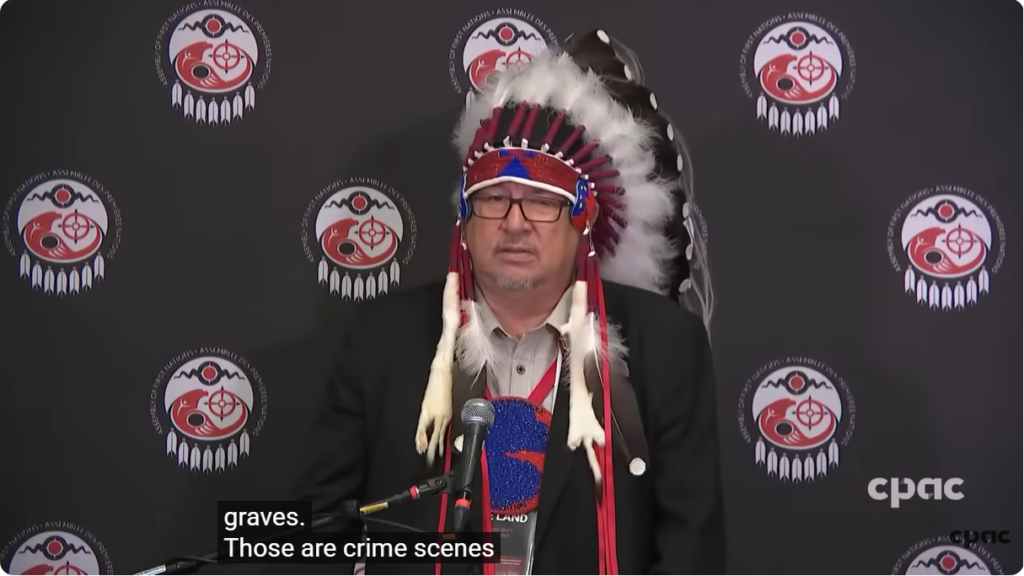
He also referred to the “unmarked graves” as “crime scenes”: “Yet we have unmarked graves. I don’t like to call them unmarked graves. Those are crime scenes that need to be protected as well and investigated” (6:02-6:18).
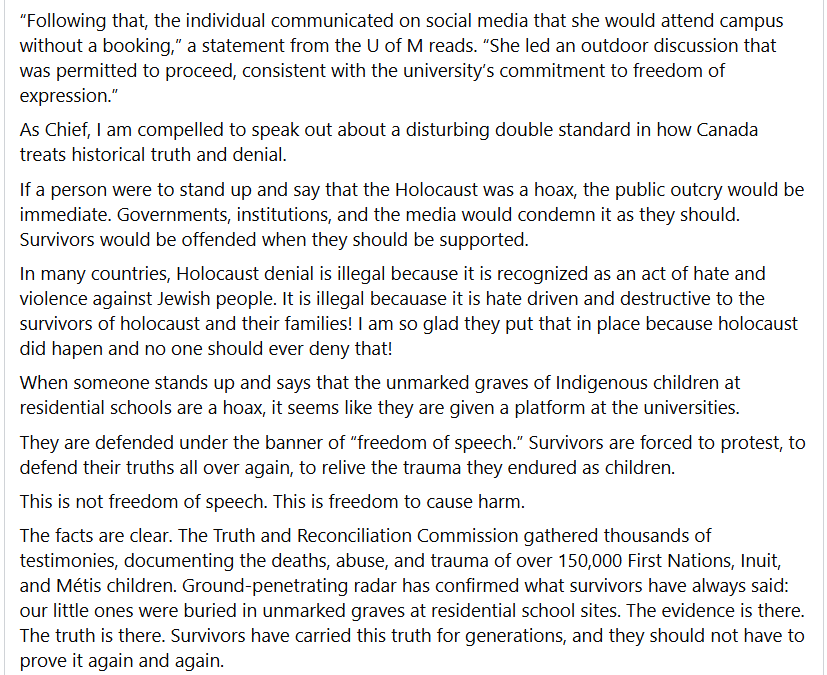
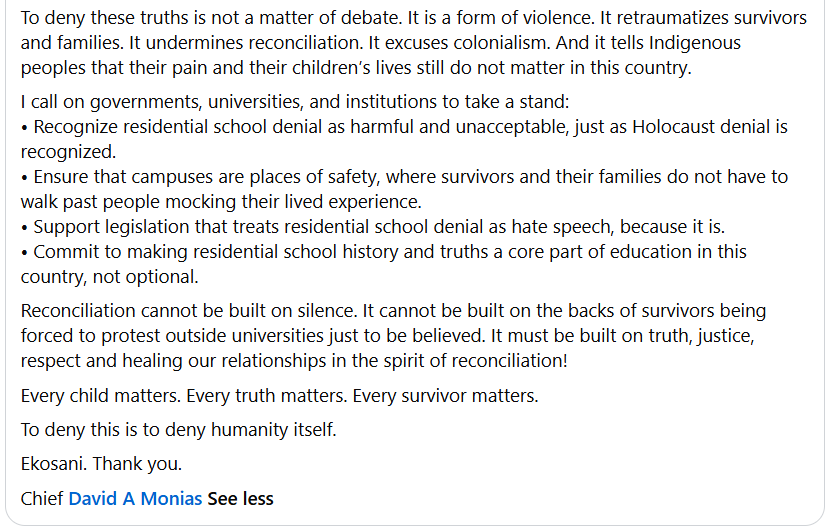
Nine months earlier, Monias had made a Facebook post about Frances Widdowson’s Spectrum Street Epistemology session at the University of Manitoba on September 25, 2025:
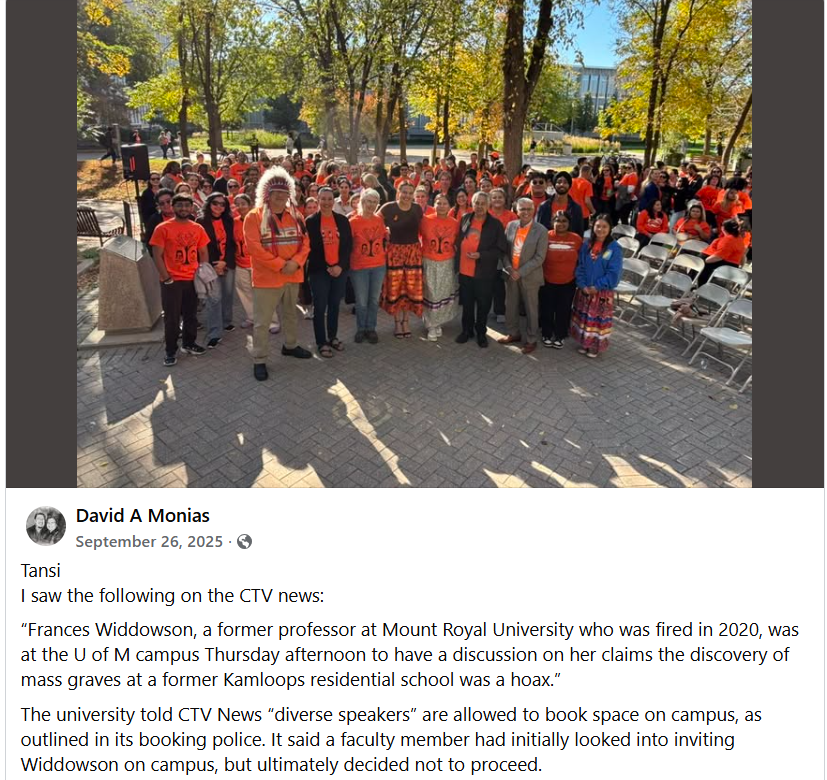
This session and the other circumstances pertaining to Widdowson’s session at the University of Manitoba can be viewed on YouTube:
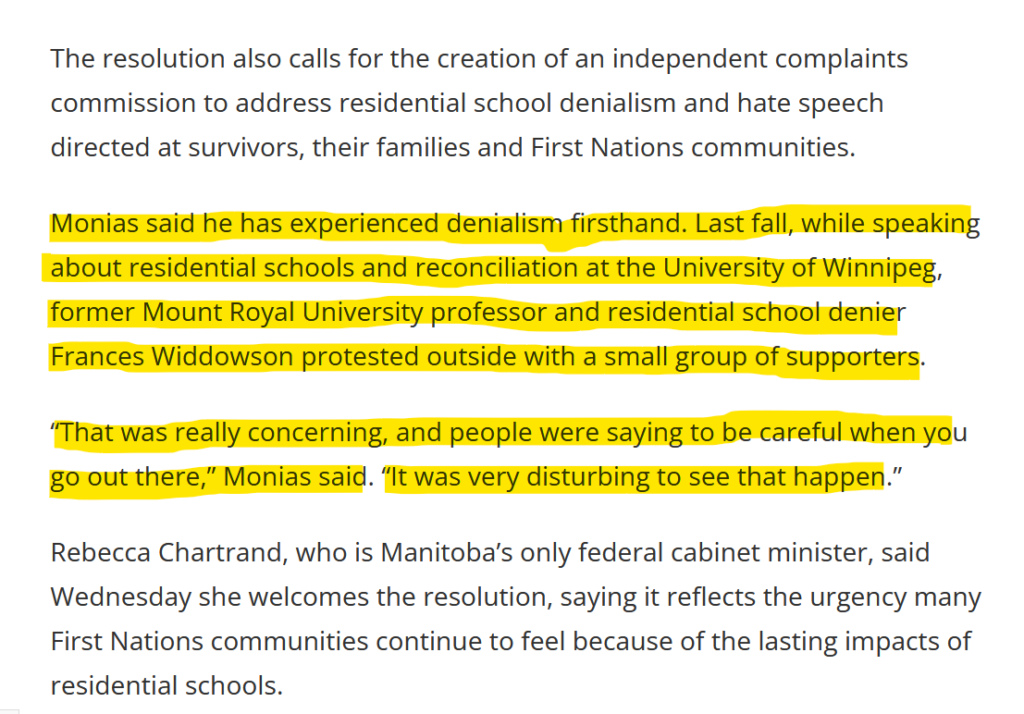
Then, in the Brandon Sun on July 16, 2026, Chief Monias noted the following about the September 25, 2025 event:
Monias was followed by Grand Chief Garrison Settee, who had seconded the motion (9:34-14:10), who stated that he had visited the “sacred site” of the Kamloops Indian Residential School.
Then we have remarks by Terry Teegee (14:30-19:37), Chief of the BC Assembly of First Nations, who talks about the case of the former Kamloops Indian Residential School (Tkemlups), and how Rosanne Casimir talked in front of the Senate about all the hateful messages that she has received and how some people tried to “exhume graves” on the site.
Frances Widdowson has documented Rosanne Casimir’s testimony about “residential school denialism” in front of the Senate:
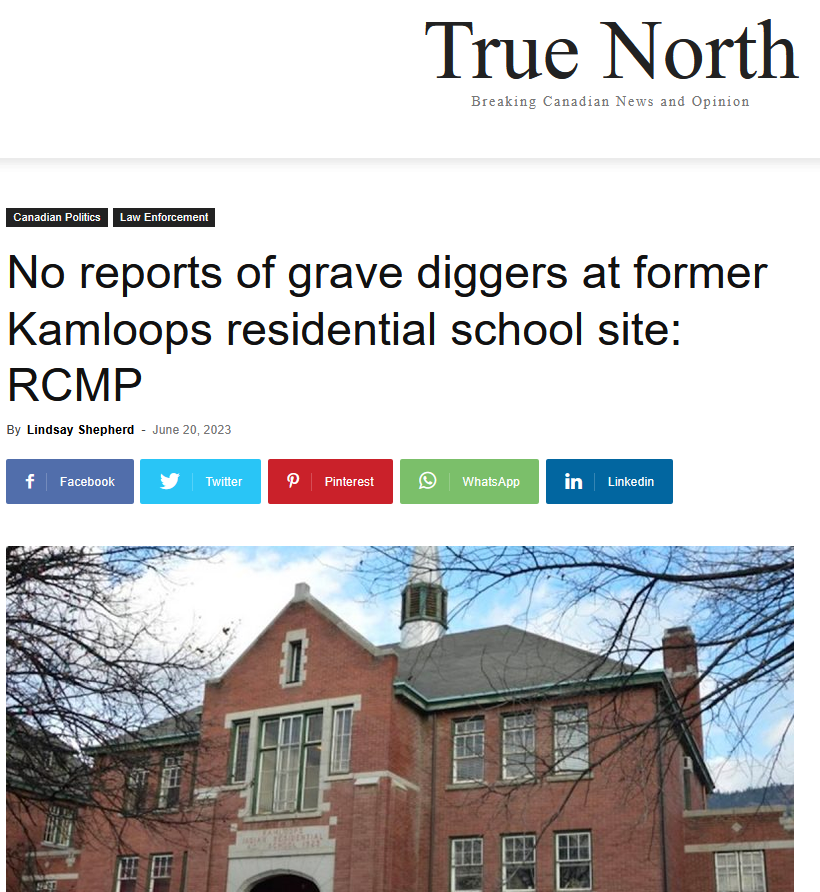
Lindsay Shepherd, from True North media, also has documented that no reports about people trying to dig up graves at the former Kamloops Indian Residential School have been reported to police.
Following Teegee was Linda Debassige, the Anishinabek Grand Council Chief (20:25-26:12).
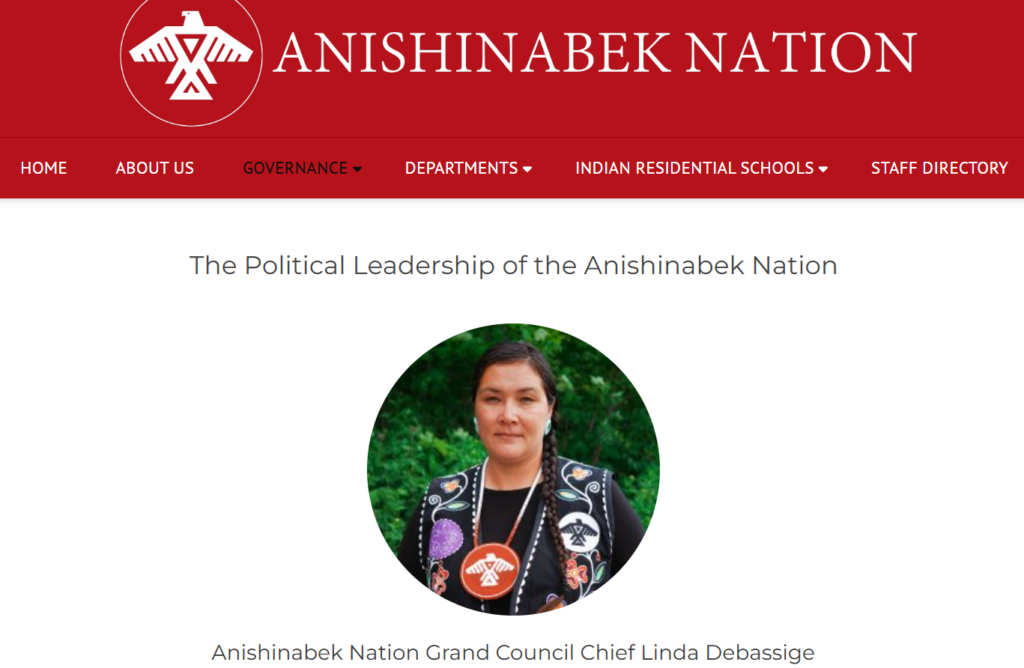
Debassige compared the residential schools to the Holocaust, and argued that since denying the holocaust was illegal this should also be the case for “residential school denialism”.
The Question and Answer period followed. Only two journalists were able to ask questions, and both were from the CBC. The first was Creeson Agecoutay, from CBC Indigenous in Calgary (26:42-27:07).
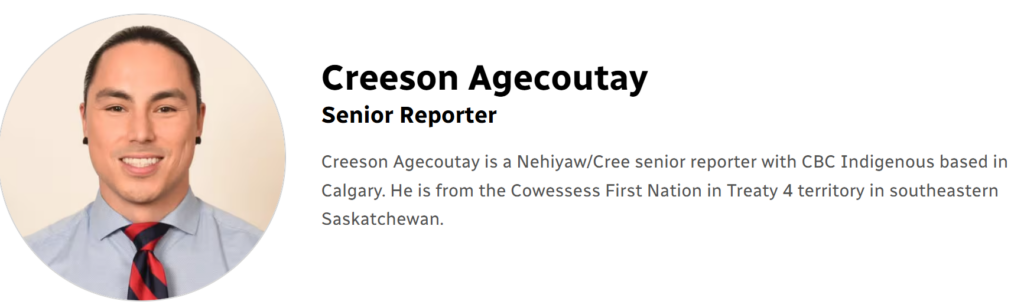
“Thank you all for coming to speak on this very important subject. Creeson Agecoutay with CBC Indigenous in Calgary. Um for whichever chief who wants to answer this who can best answer it. Uh can you first comment on the state of residential school denialism in Canada and why there is a need to have protections against it? You talked about it a bit there but uh just to zero in this is a question for our web team”.
Terry Teegee answered this question (27:18-30:17). In this answer he specifically mentioned the Kamloops case (at 29:08).
Agecoutay then had a follow up question (30:18-30:52): “You have the uh TRC’s uh work of course you have the um Tkemlups story that was put out the Cowesses story that was put out our elders in our home communities have been telling these stories for many years decades uh we know the stories um what do you say to the residential school denialists that in some cases like you said have been coming to Tkemlups with shovels and replying to survivors saying, ‘Show us the bodies.’ What What do you want to say to those denialists out there?”
BC AFN Chief Terry Teegee (30:53- 32:42) replied by stating that the claims about the “unmarked graves” at Kamloops “are truth” and this needs to “be accepted as truth”. It is not an academic matter to be debated, according to Teegee.
A second follow up by CBC indigenous’ Agecoutay was allowed (32:43-33:04). “Let’s not forget to mention that it’s important to note that this suggestion of showing us children’s bodies, that’s a big ask for First Nations communities and it goes directly against First Nations cultures and traditions with regards to our final resting place”.
Terry Teegee responds with the following (33:05-33:51):
There was third follow up from CBC Indigenous’ Agecoutay (33:52). “Did you try to get residential school denialism in Bill C-9?”
Terry Teegee responded with the following:
CBC Indigenous’ story produced by Creeson Ageoutay can be viewed here:
The second journalist allowed to ask a question was also from the CBC. This was from Olivia Stefanovich. It should be pointed out that Stefanovich interviewed Widdowson in 2023 about “residential school denialism”.
Olivia Stefanovich (34:58-35:26): “Can you just tell us…[about] why we haven’t seen these excavations, and how long this process takes and do communities actually have the resources to do this work?” The question was answered by Kamloops Indian Band Chief Rosanne Casimir (36:07-38:17)
Linda Debassige then came up to the microphone to add more detail (38:22) about how there wasn’t enough resources for the excavations.
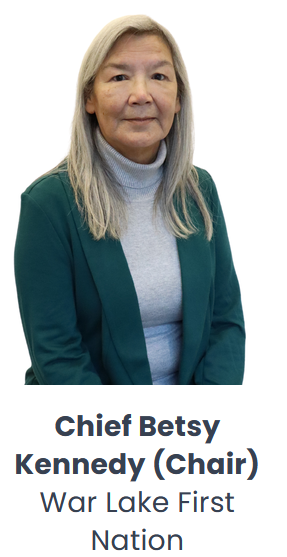
Chief Betsy Kennedy then spoke (at 42:08-45:17). She didn’t mention the “unmarked graves” but said that residential school “Survivor” stories should be believed.
Grand Chief Settee then spoke again (45:32-48:25) about how aboriginal people don’t need to show anyone bodies as proof because the dead children have spoken to them about how they are there. Their voices can only be heard by aboriginal people.
CBC’s Olivia Stepanovich then asks a “follow up question” (at 48:25) about “what you hope to hear from federal ministers of the Crown tomorrow…and if you could characterize the status of discussions with the federal government about this particular topic about creating a government bill that would make this into law. What are they saying about this?” This is responded to by Grant Chief Garrison Settee about he wants the government to “honour the truth” and “without truth there is no reconciliation”. Settee asserts that the government must admit that there have been “crimes against humanity”. He goes on to argue that “It should be a crime to deny that these residential schools exist”.
Grand Chief Cindy Woodhouse Nepinak then makes some closing comments (at 50:49) about how to get governments to act about criminalizing “residential school denialism”.
BC AFN Chief Terry Teegee then provided the final words, which concerned preventing the government from destroying records from the Truth and Reconciliation Commission.