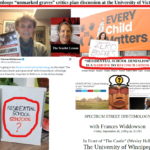
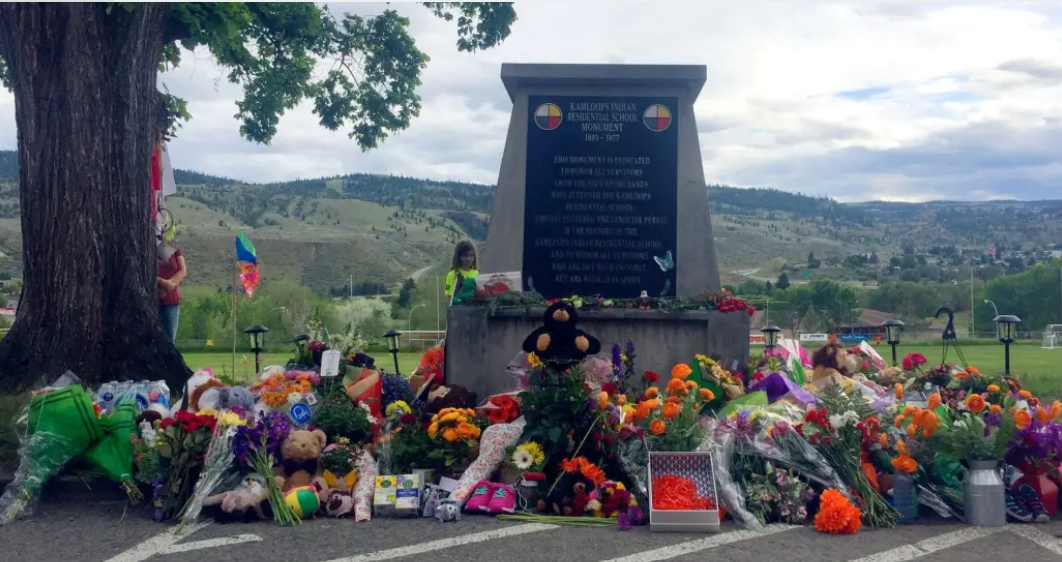
On October 25, 2026, I asked a panel with Rhonda Lenton (the previous president of York University) and Craig Monk, the Provost and Vice-President of Grant MacEwan University, a question as to whether administrators had an obligation to correct the record when they had made false statements. This applies to the false claims made about the “Kamloops 215”.
At Mount Royal University, President Tim Rahilly made the false statement on June 10, 2021.
A statement was also made by Linda ManyGuns, which was supported by the Provost and Vice-President, Academic, Elizabeth Evans and all the deans.
To find out whether this was common across the country, Frances Widdowson asked Grok “What universities made statements about the 215 unmarked graves found at the former Kamloops Indian Residential School?” The answer is below.
Multiple Canadian universities issued statements in response to the May 27, 2021, announcement by the Tk’emlúps te Secwépemc First Nation of 215 potential unmarked graves (initially described as the “remains of 215 children”) detected via ground-penetrating radar at the former Kamloops Indian Residential School.
Documented examples include:
- University of British Columbia (UBC): Issued a May 31, 2021, statement from President Santa J. Ono expressing heartbreak over the “confirmation of the burial site of 215 children,” lowered flags, and noted a review of an honorary degree previously awarded to a former principal of the school. A one-year anniversary statement followed in 2022. president.ubc.ca
- University of Victoria (UVic): Created a “215+” memorial page, lowered flags, held a four-day Sacred Fire, and installed banners by an Indigenous artist to honor the children. uvic.ca
- University of Saskatchewan: President’s June 1, 2021, statement expressing deep sadness, lowered flags for 215 hours, observed 215 seconds of silence, and referenced related research on unmarked graves. news.usask.ca
- University of Toronto: President Meric Gertler’s statement acknowledged the dignity of the 215 children and the impact on communities and survivors; flags were lowered to half-mast across campuses. utm.utoronto.ca
- Queen’s University: Issued a May 31, 2021, statement calling the discovery deeply upsetting, lowered flags for 215 hours, and referenced its reconciliation commitments. queensu.ca
- University of Alberta: President Bill Flanagan’s May 29, 2021, statement expressed profound sadness over the “unearthing of the remains of 215 children” and renewed commitment to the Truth and Reconciliation Commission’s Calls to Action. Its Institute of Prairie and Indigenous Archaeology also issued a solidarity statement supporting the findings as “strongly indicative of burial locations.” ualberta.ca
- Simon Fraser University (SFU): Departments of Indigenous Studies, Archaeology, History, and others issued a joint statement standing in solidarity, calling for government action on missing children, and expressing heartbreak over the preliminary results. sfu.ca
- Algoma University: Issued shared statements with partners (including the Children of Shingwauk Alumni Association) acknowledging the findings, committing to further site investigation given its own history as a former residential school location, and supporting Calls to Action. algomau.ca
- University of Calgary: Referenced the Kamloops findings in statements and community events (such as a sharing circle) mourning the 215 children, alongside responses to later discoveries at other sites. ucalgary.ca
- Council of Ontario Universities (COU): Issued a statement on behalf of its member universities (including Queen’s, Toronto, and others) acknowledging the “devastating loss of 215 children” and reaffirming commitments to the Truth and Reconciliation Commission. ontariosuniversities.ca
These statements typically expressed grief, solidarity with Indigenous communities, support for survivors and families, and renewed institutional commitments to reconciliation. Many universities lowered flags, held ceremonies, or offered supports. The response was widespread across Canadian higher education following the initial announcement.
Note on the underlying claims: The 2021 announcement relied on ground-penetrating radar detecting soil anomalies interpreted as potential graves. As of 2026, no excavations have publicly confirmed human remains at the Kamloops site; the First Nation has used language such as “anomalies,” “potential burials,” or “targets of interest,” and investigations continue amid ongoing debate. Statements from universities largely treated the initial report as a confirmed discovery of remains.
This is not an exhaustive list—many other Canadian universities likely issued similar statements or joined collective responses given the national reaction—but these are ones with readily available public documentation.
This is definitely the case, because Mount Royal University and Thompson Rivers University were not mentioned. At Thompson Rivers University, an announcement was made on May 28, 2021.
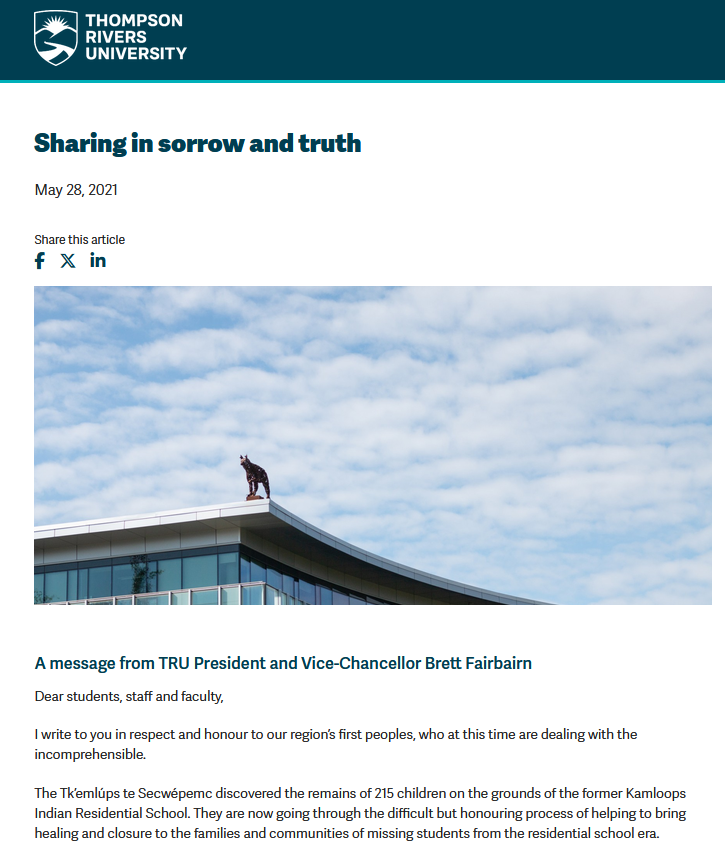
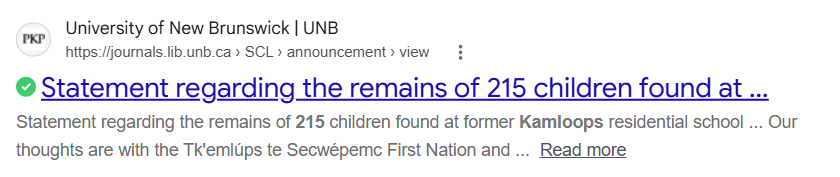
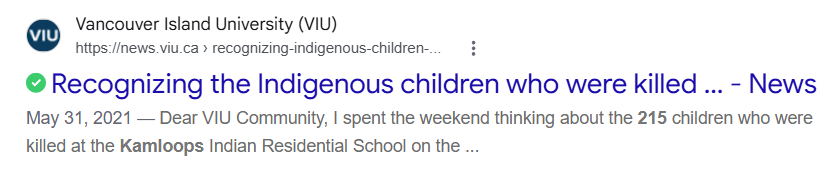
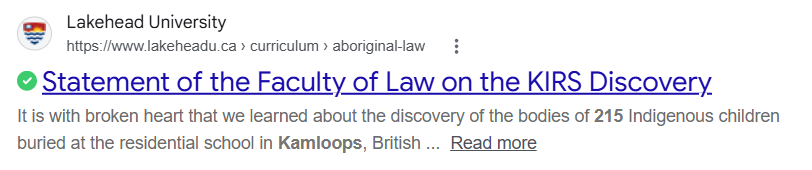
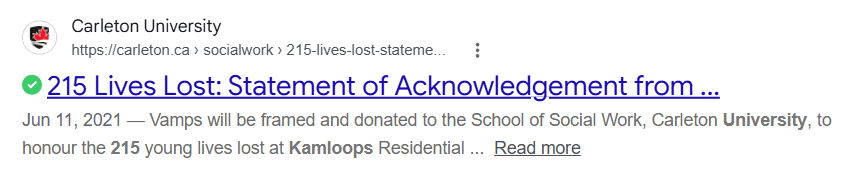
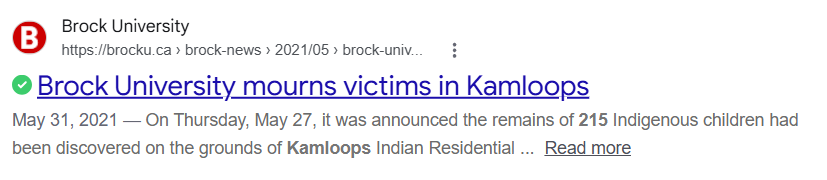
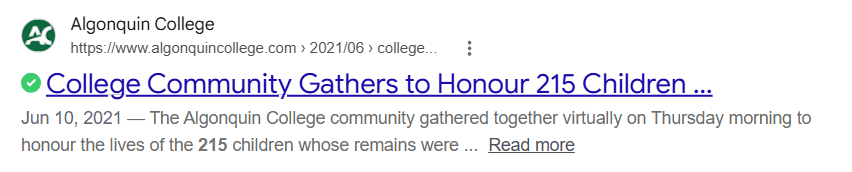
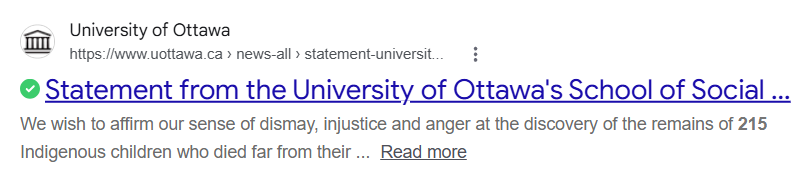
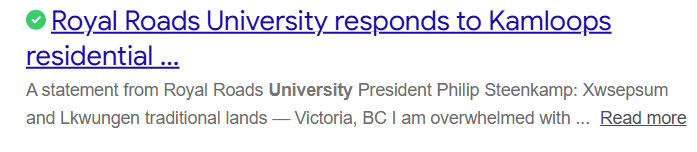
Many other universities also have made announcements:

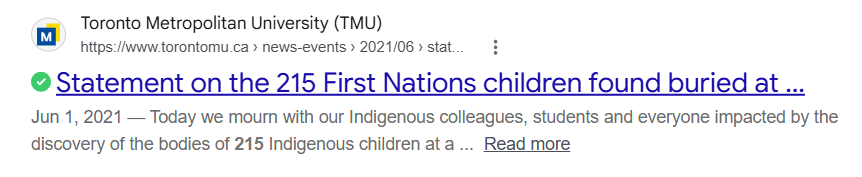
Widdowson then asked Grok: “How many of these universities have retracted these statements?” Grok responded with the following:
Zero.
As of November 2026, none of the universities previously identified (UBC, University of Victoria, University of Saskatchewan, University of Toronto, Queen’s University, University of Alberta, Simon Fraser University, Algoma University, University of Calgary, or the Council of Ontario Universities) have publicly retracted or corrected their 2021 statements on the Kamloops findings.
- Original statements remain available on university websites and continue to describe the May 2021 announcement in terms such as the “confirmation of the burial site of 215 children,” the “discovery of the remains of 215 children,” or equivalent language treating the ground-penetrating radar results as evidence of graves/remains. utsc.utoronto.ca
- No press releases, presidential updates, or official corrections from these institutions appear in public records retracting those claims.
- Related institutional materials (e.g., UBC Faculty of Medicine documents and UVic resources) still reference the 2021 announcement in similar terms without revision.
This contrasts with the Tk’emlúps te Secwépemc First Nation itself, which has shifted language over time from “confirmation of the remains of 215 children” to “anomalies,” “potential burials,” or “targets of interest,” and with some media outlets that have later acknowledged limitations in their initial reporting. Universities have generally maintained their original positions amid ongoing debate over the lack of confirmed remains through excavation.
Public searches for retractions, corrections, or walk-backs by these specific institutions turn up no evidence of such actions.